






Details
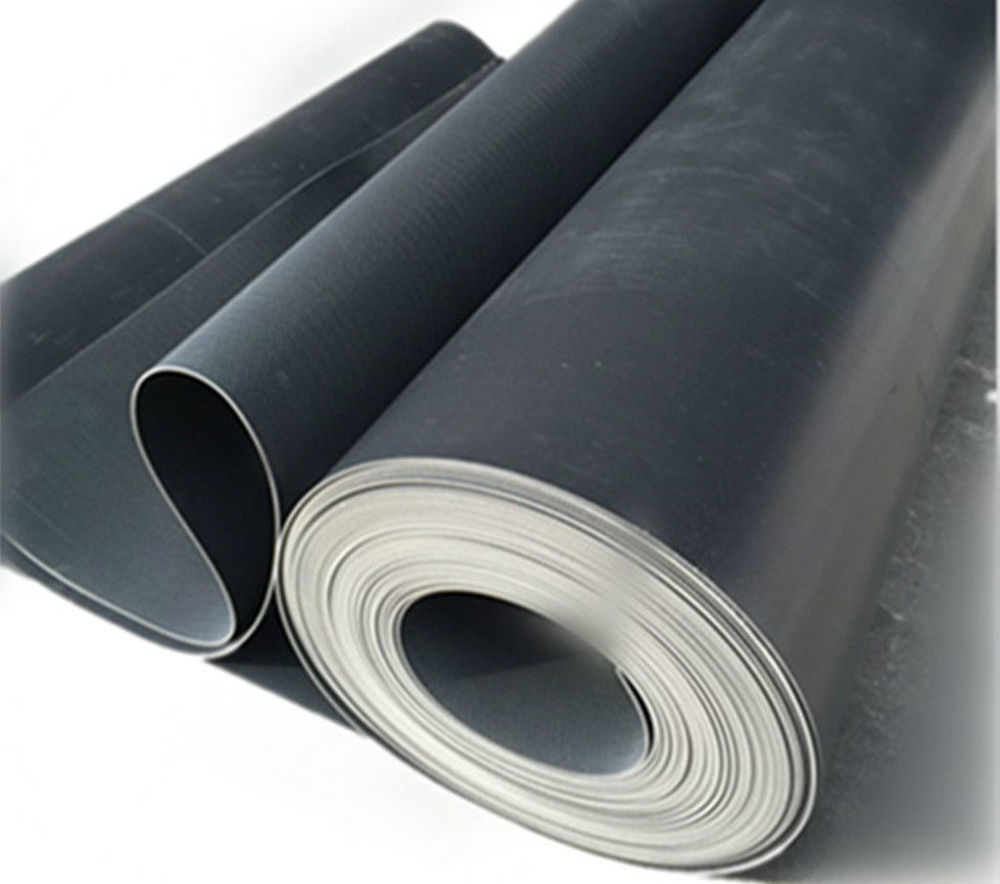
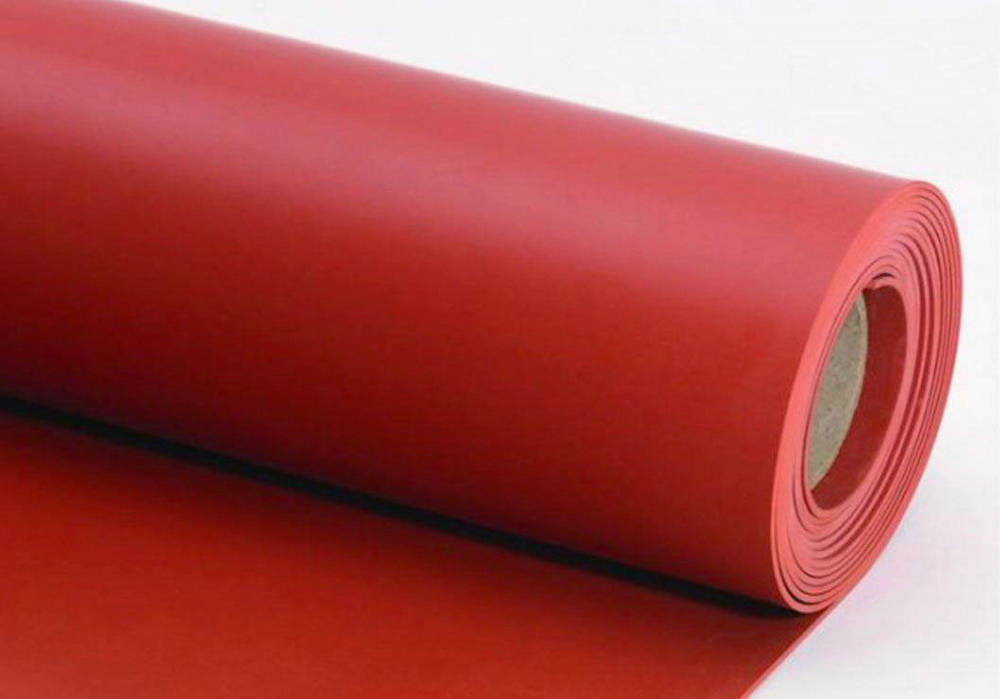
SBR RUBBER SHEETS
SBR (Styrene-Butadiene Rubber) is a synthetic rubber made from the copolymerization of styrene (25–30%) and butadiene (70–75%). It is one of the most commonly used types of synthetic rubber due to its good wear resistance, abrasion resistance, and cost-effectiveness. SBR rubber sheets are widely used in industrial, automotive, and construction applications, especially where impact resistance, good performance at moderate temperatures, and resistance to wear are required.
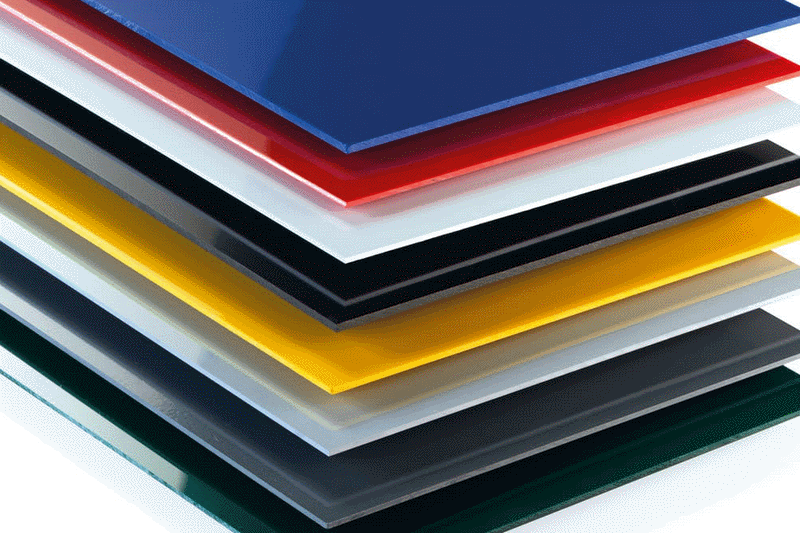
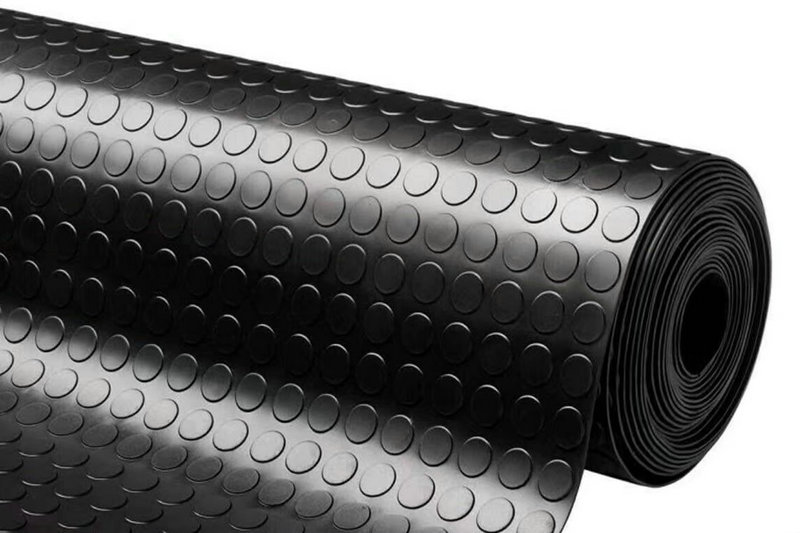
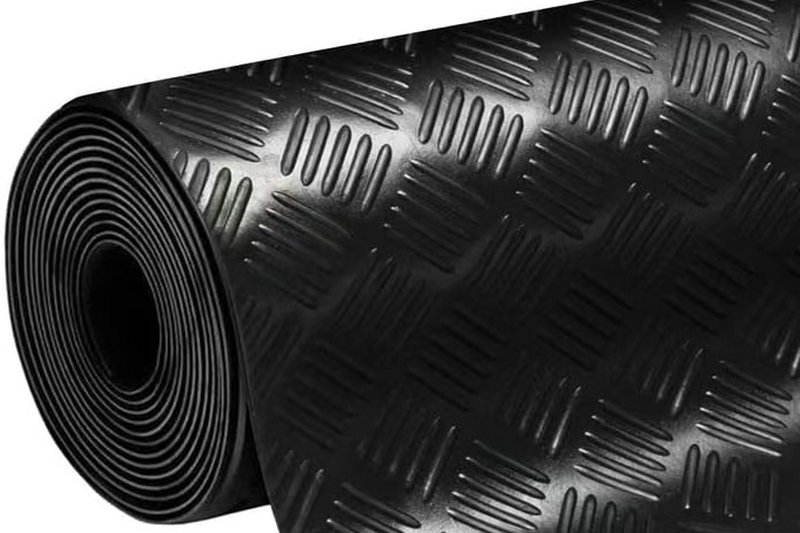
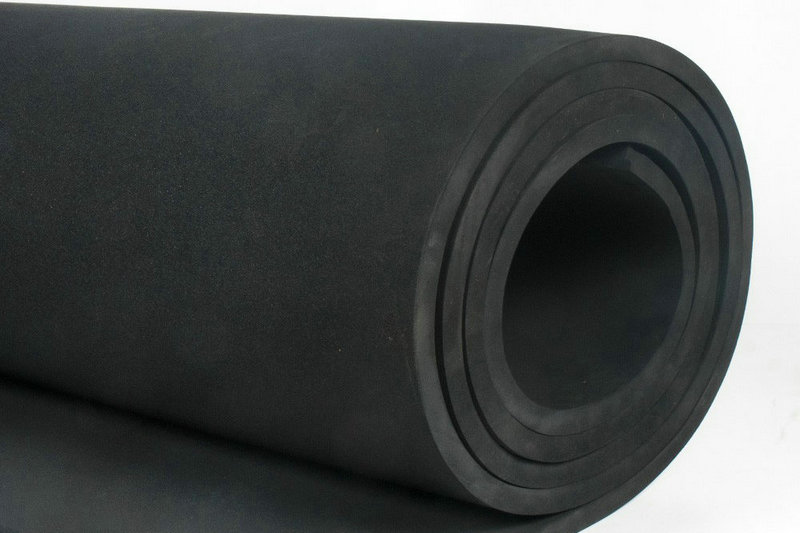
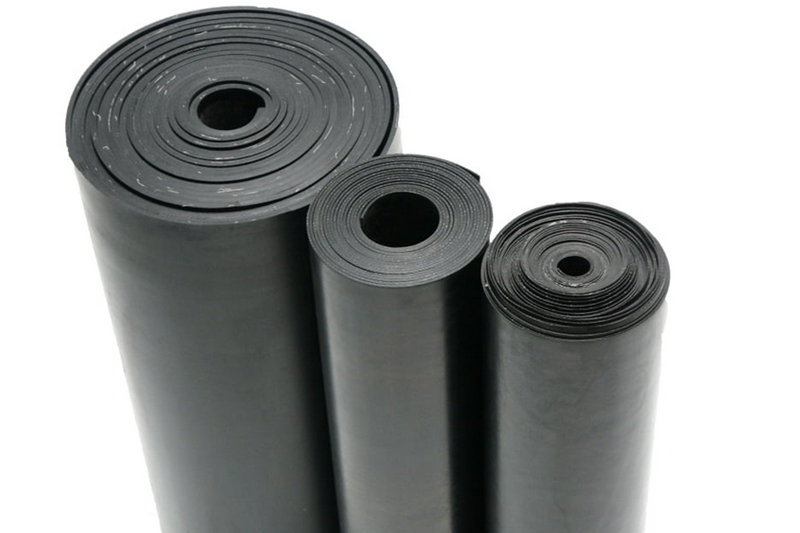
SBR rubber sheets are commonly used in applications where flexibility, durability, and resistance to mechanical stresses are necessary, such as flooring, seals, gaskets, and automotive parts. They are often reinforced with fabric or fillers (e.g., carbon black) to enhance durability and are available in varying thicknesses, hardness levels, and surface finishes.
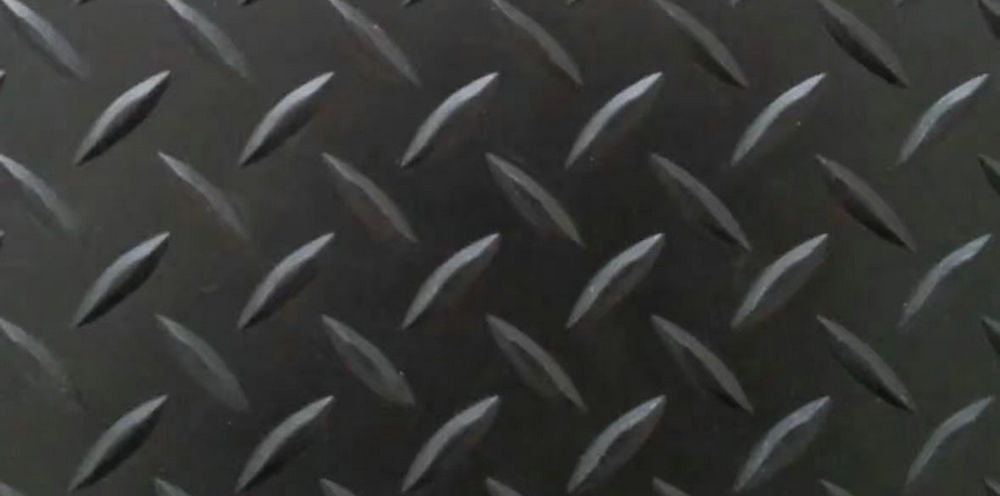
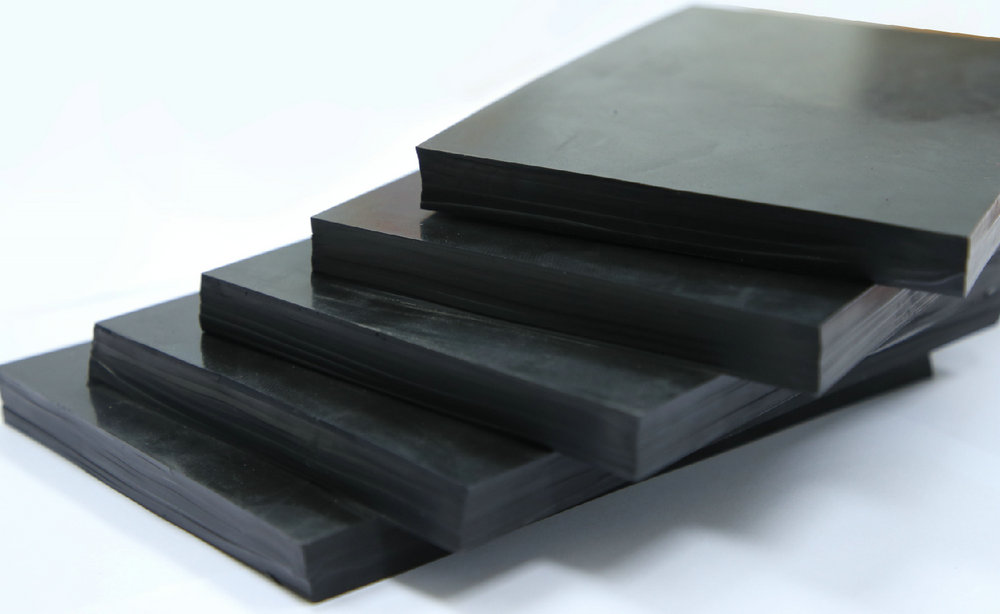
Key Features:
Good Abrasion Resistance – Provides excellent wear resistance, making it ideal for high-contact and friction applications.
Moderate Weather Resistance – SBR can withstand mild environmental conditions but is less resistant to extreme weather compared to some other types of rubber like EPDM.
Good Tear Strength – Offers good resilience and tear resistance under mechanical stress.
Moderate Oil Resistance – Performs well in environments that involve exposure to oils, but not as well as nitrile (NBR).
Good Tensile Strength – Offers decent stretching resistance under tension, ideal for parts that need to flex or stretch without breaking.
Low Cost – SBR rubber is one of the most affordable rubber types, making it ideal for applications with low to moderate performance requirements.
Non-Polar – Because of its non-polar nature, SBR tends to be less reactive to chemicals and is more stable in many industrial environments.
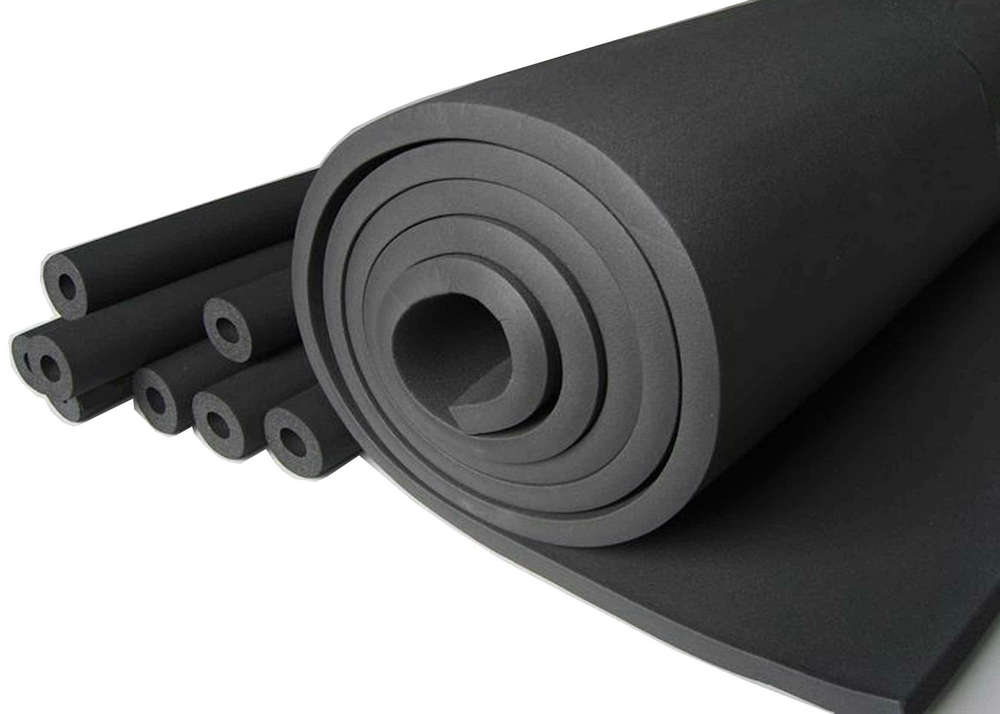
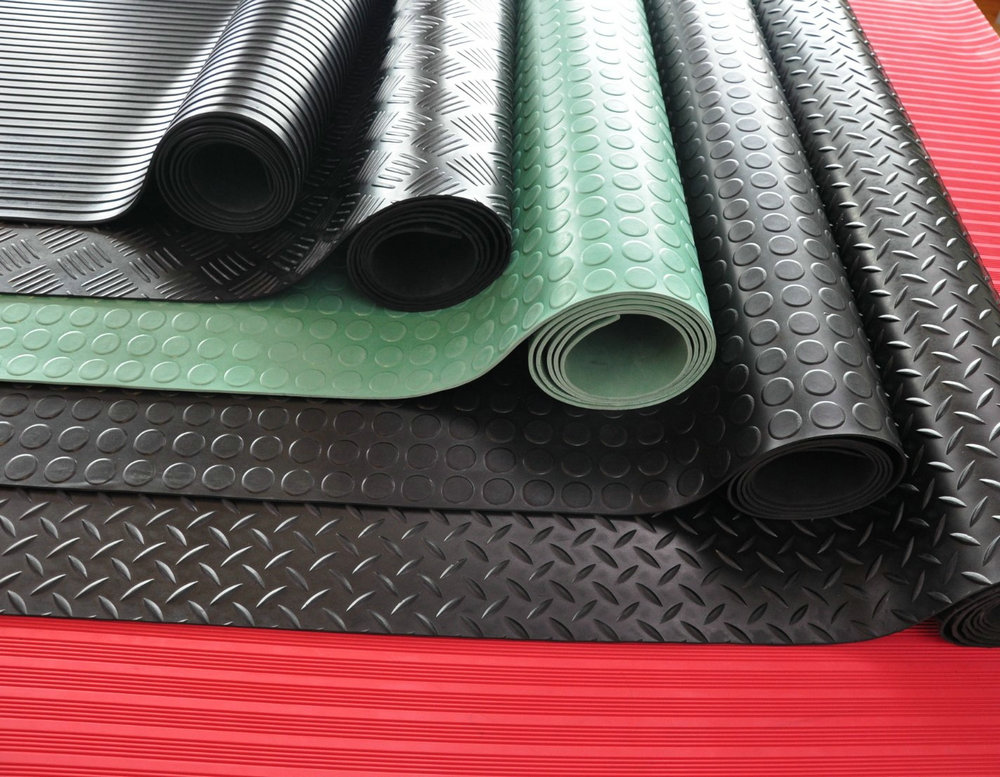
Types:
SBR rubber sheets are available in various grades and formulations based on specific needs:
(1) General-Purpose SBR Rubber Sheets
Description: Basic formulation of SBR designed for general industrial applications.
Properties: Provides good wear resistance and abrasion resistance.
Applications: Used in applications like conveyor belts, seals, and gaskets in environments where abrasion resistance is important but high oil resistance is not needed.
(2) High-Performance SBR Rubber Sheets
Description: Specially formulated SBR with enhanced abrasion and tear resistance, along with higher tensile strength.
Properties: Used for heavy-duty applications where higher performance is needed.
Applications: Used in mining, industrial machinery, and heavy-duty equipment requiring more durable and high-impact resistance.
(3) Recycled SBR Rubber Sheets
Description: Made from recycled SBR material, offering a more sustainable option.
Properties: Economical and environmentally friendly, with good general abrasion resistance.
Applications: Suitable for floor mats, automotive parts, and general industrial uses.
(4) SBR Rubber Sheets with Additives
Description: SBR sheets modified with additives like carbon black, plasticizers, or anti-aging agents.
Properties: Improves specific properties like UV resistance, heat resistance, and chemical resistance.
Applications: Used in applications requiring additional resilience to extreme conditions, such as outdoor seals or automotive parts.
Technical Parameters:
The following table summarizes the typical technical specifications for SBR rubber sheets:
Property | Typical Value/Range | Description |
Density | ~1.15 g/cm³ | Moderate density compared to other rubbers. |
Tensile Strength | ~15-25 MPa | Good strength under tension. |
Elongation at Break | ~300-500% | Excellent elongation, providing flexibility. |
Hardness | ~60-75 Shore A | Medium hardness, balanced for industrial use. |
Abrasion Resistance | Good | Excellent for surfaces subject to friction. |
Temperature Range | -20°C to 70°C | Performs well in moderate temperatures. |
Compression Set | ~40-60% | Moderate recovery under compression. |
Tear Strength | Good | Resistant to tearing and damage. |
Weather Resistance | Moderate | Performs well under mild weather conditions but not suitable for extreme UV exposure. |
Chemical Resistance | Moderate (resistant to mild oils, acids, and bases) | Not recommended for strong solvents or fuels. |
Product Benefits:
Cost-Effective – SBR rubber sheets are inexpensive compared to other synthetic rubbers such as Viton or EPDM.
High Abrasion Resistance – Ideal for industrial applications that experience high contact and wear.
Good Mechanical Properties – Offers good flexibility, tensile strength, and tear resistance, making it suitable for seals and gaskets.
Durability – Long-lasting and can endure many industrial applications.
Versatility – Available in various grades and can be adapted for a wide range of applications, from automotive parts to conveyor belts.
Good Processability – Easy to process, fabricate, and machine into different shapes, such as gaskets, seals, and bushings.
Eco-Friendly & Recyclable – Cheaper than polycarbonate and glass and Can be repurposed for sustainable applications.
Applications:
SBR rubber sheets are used in a wide variety of industries and applications due to their abrasion resistance, flexibility, and cost-effectiveness:
Automotive Industry: Used in tires, gaskets, seals, weather strips, and floor mats.
Industrial Machinery: Used in conveyor belts, bearings, rollers, and gaskets that require resistance to wear and tear.
Construction: Waterproofing membranes, expansion joints, and roofing materials.
Mining: Rubber linings, heavy-duty mats, and wear-resistant components.
Food Processing: FDA-approved SBR grades used for non-food contact components like floor mats and machine parts.
General Manufacturing: Used in shock absorbers, soundproofing materials, safety mats, and vibration damping.
Storage & Handling:
To ensure the optimal performance of SBR rubber sheets, it is essential to follow proper storage and handling practices:
Storage Environment:
oStore in a cool, dry place, away from direct sunlight and extreme heat (above 70°C).
oAvoid moisture and high humidity, as these factors may degrade the material over time.
Stacking:
oWhen stacking rubber sheets, ensure even distribution of weight to prevent deformation or damage.
oAvoid placing heavy objects on top that could cause the sheets to compress or warp.
Handling:
oHandle gently to avoid abrasions, cuts, or punctures. Use protective gloves and clean tools to prevent contamination or dirt buildup.
Shelf Life:
oSBR sheets can be stored for several months or years if stored properly. However, long-term exposure to UV light may cause them to degrade. Periodically inspect stored materials for any visible damage or degradation.
FAQ
Q1: How does SBR compare to other rubbers like NBR or EPDM?
A: SBR is more abrasion-resistant and flexible than NBR (Nitrile Rubber) but has lower oil and fuel resistance. Compared to EPDM, it is more affordable but has less resistance to extreme weather and ozone exposure.
Q2: Can SBR rubber be used for high-temperature applications?
A: SBR performs well in moderate temperature ranges (up to 70°C) but is not suitable for high-temperature environments. For higher temperatures, consider EPDM or silicone.
Q3: How do I cut or machine SBR rubber sheets?
A: SBR sheets are easy to cut, drill, and machine using standard CNC equipment and cutting tools. Make sure to use the appropriate tool for rubber to avoid damage or a rough cut.
Q4: Is SBR rubber suitable for outdoor use?
A: SBR rubber is suitable for indoor applications and mild outdoor environments. However, it is less resistant to UV radiation and weathering compared to EPDM or silicone. If used outdoors, consider a UV-resistant grade or use it in shaded areas.
Q5: Is SBR rubber sheet resistant to fuels and oils?
A: No—SBR rubber sheet swells in oil/fuel. Use nitrile (NBR) for oil resistance.
Q6: How does SBR rubber compare to natural rubber (NR)?
A: SBR rubber has better abrasion resistance and aging properties but lower tensile strength.
Q7: How to clean SBR sheets?
A: Use mild soap and water. Avoid solvents like acetone or gasoline.
Q8: What is the difference among SBR rubber sheets, NBR rubber sheets and EPDM?
A: Please refer to the matrix below
Property | SBR | Nitrile (NBR) | Neoprene (CR) | EPDM |
Oil/Fuel Resistance | Poor | Excellent | Moderate | Poor |
Temp Range | -40°C to +100°C | -40°C to +120°C | -50°C to +135°C | -50°C to +150°C |
Cost | Low | Moderate | High | Moderate |
Weather Resistance | Moderate (needs additives) | Poor | Excellent | Excellent |
Abrasion Resistance | Excellent | Good | Good | Moderate |
- PRE: No more
- NEXT: 00300 NBR Rubber Sheets-Rubber Sheets Manufacturers