






Details
Targeted Sealing Solutions for Industrial Applications
The nbr sheet serves as a high-performance synthetic rubber designed primarily for manufacturers and
engineers requiring reliable sealing and gasketing components. As a product developed by reputable
rubber sheets manufacturers, it caters to operations exposed to petroleum-based oils, fuels, and
industrial chemicals. This nbr seal material provides balanced mechanical strength combined with
moderate flexibility suitable for seals, gaskets, and protective linings across HVAC, automotive, and
fluid handling sectors. It supports fabrication processes including die-cutting and molding, appealing
to users seeking customizable elastomer sheets for demanding environments.
Precise Technical Composition and Specifications
Formed through copolymerization of acrylonitrile and butadiene, this nbr material exhibits measurable
resistance to oils, fuels, and aggressive chemicals, maintaining structural integrity within a temperature
range of -40°C to 120°C. Key specifications include tensile strength ranging from 8 to 25 MPa, elongation
at break between 200% and 600%, and hardness options from Shore A 40 to 80. These parameters
facilitate predictable performance in dynamic sealing applications. In addition, the sheet offers abrasion
resistance and moderate weather and ozone durability. Its density and compression set values further
ensure dimensional stability under prolonged mechanical stress.
Industrial Utility and Operational Integration
The robust characteristic of this nbr gasket material finds extensive use in petroleum, chemical processing,
refrigeration, and automotive manufacturing industries. Its compatibility with hydrocarbon fluids makes
it integral to sealing oil and fuel handling systems to prevent leaks and maintain equipment reliability.
The buna rubber sheets manufacturers supplying reinforced and blended variations enable tailored
solutions for conveyor belts, vibration-dampening mounts, and outdoor applications. By aligning with
system requirements for mechanical assemblies and fluid containment, the nbr sheet delivers
measurable ROI through prolonged operational life and reduced maintenance intervals.
NBR RUBBER SHEETS
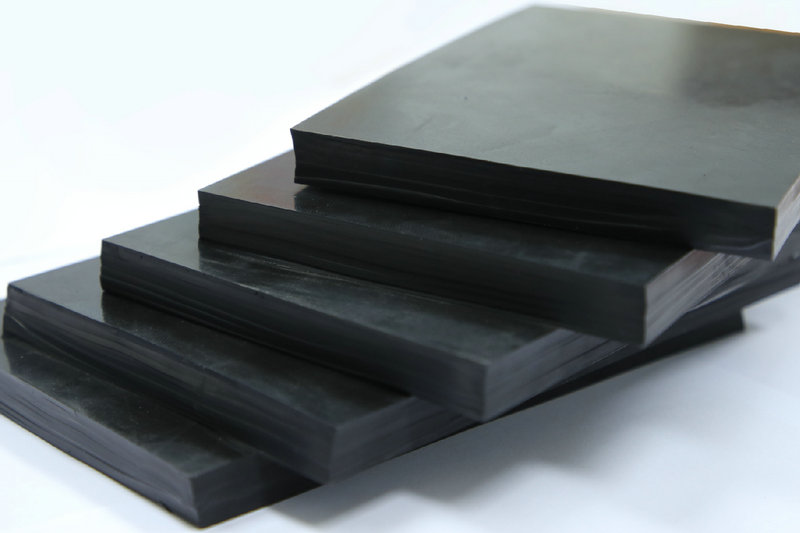
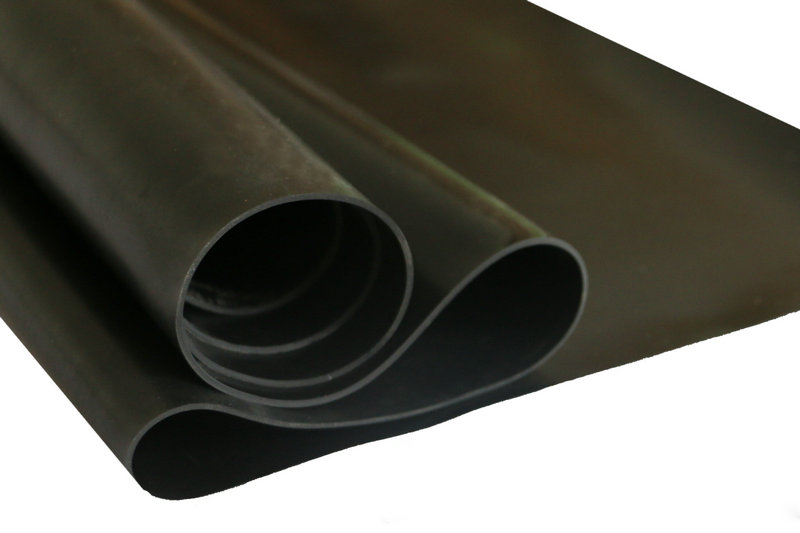
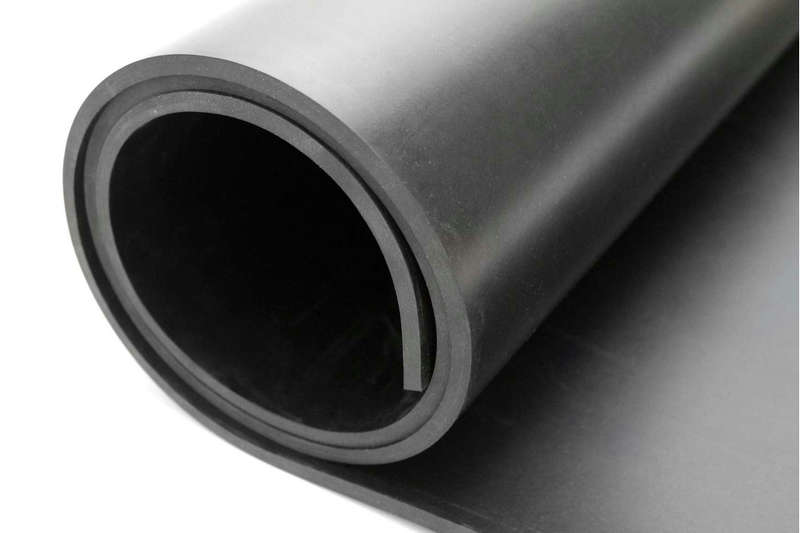
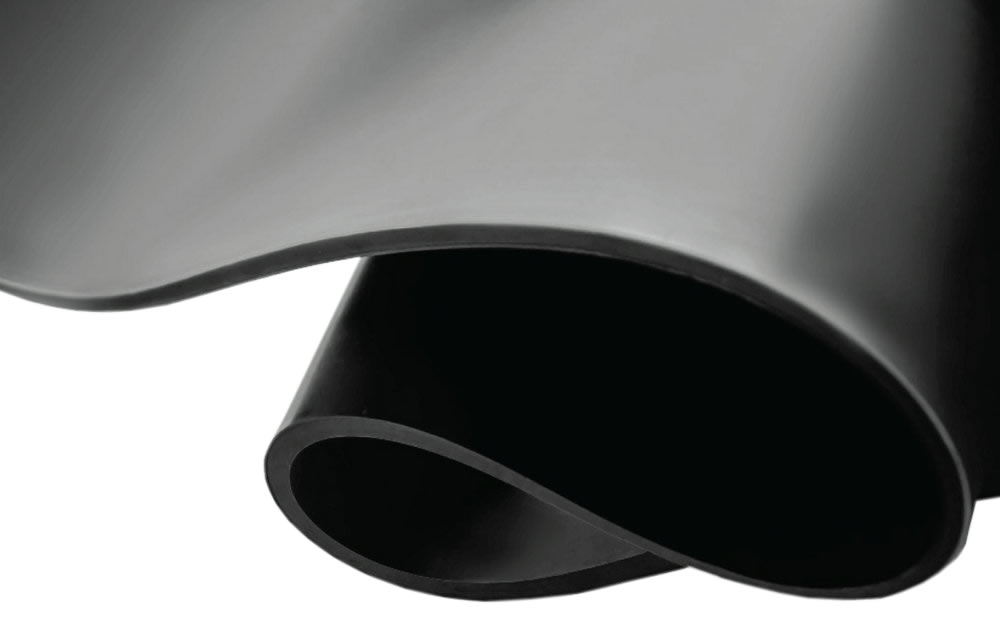
NBR Sheets (Nitrile Butadiene Rubber Sheets) are synthetic rubber material made from the copolymerization of acrylonitrile and butadiene. The acrylonitrile content (typically 18–50%) determines the material’s oil, fuel, and chemical resistance. NBR Sheets are best known for their excellent resistance to oils, fuels, and chemicals, making it ideal for sealing, gasketing, and industrial applications. NBR rubber sheets are widely used in oil-resistant environments, automotive parts, and mechanical applications where exposure to grease, fuel, and other hydrocarbons is common.
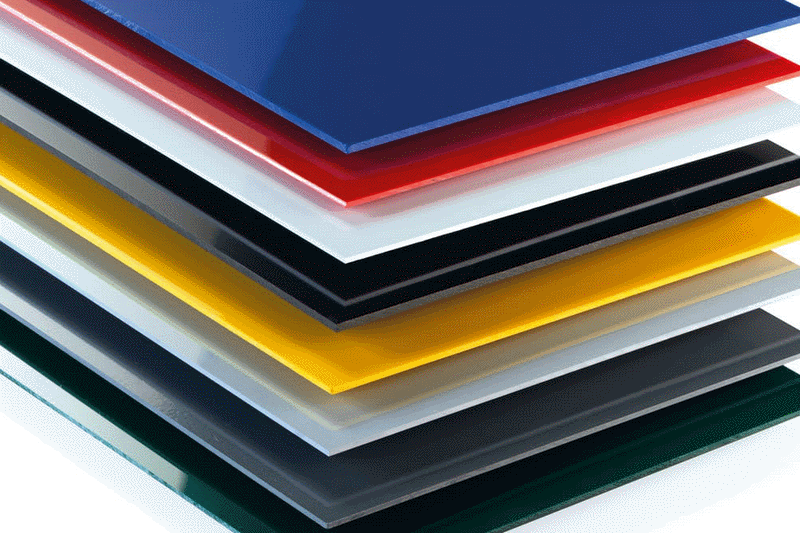
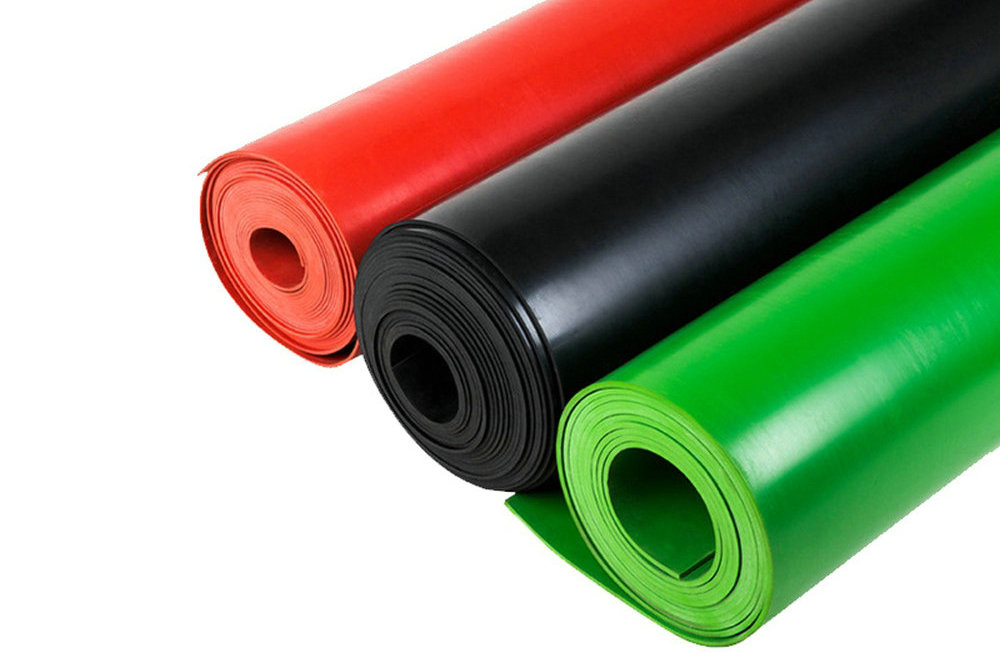
NBR rubber also has good mechanical strength, wear resistance, and moderate flexibility, making it a popular choice in industrial, automotive, and aerospace industries. These sheets are vulcanized, often reinforced with fabric or fillers, and available in varying thicknesses, hardness levels, and colors.
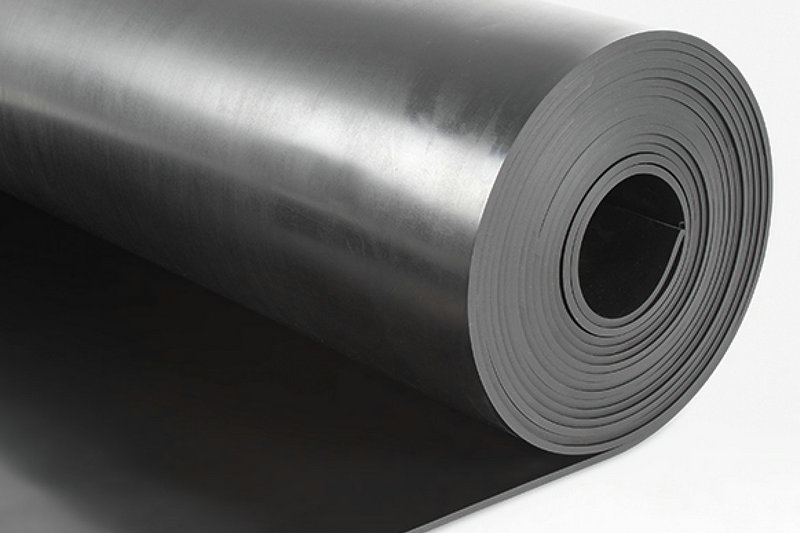
Key Features:
Excellent Oil and Fuel Resistance – The high acrylonitrile content makes NBR resistant to petroleum-based oils, diesel, gasoline, and greases.
Good Chemical Resistance – Provides protection against hydrocarbons, acids, and alkalis, making it ideal for chemical processing industries.
High Tensile Strength & Durability – Offers strong mechanical properties, including resistance to abrasion, tearing, and impact.
Moderate Temperature Resistance – Performs well in temperatures ranging from -40°C to 120°C.
Good Water and Gas Impermeability – Acts as an excellent sealant, preventing leaks in fluid-handling systems.
High Flexibility & Elasticity – Despite its toughness, NBR maintains good elasticity and resilience under mechanical stress.
Moderate Weather & Ozone Resistance – Can be used outdoors but has lower UV and ozone resistance compared to EPDM rubber.
Variety of Grades – Available in various hardness levels, from soft and flexible to hard and rigid, to meet different industry needs.
Types:
There are different types and grades of NBR rubber sheets depending on their composition and intended use:
(1) Standard NBR Rubber Sheets
Description: General-purpose oil-resistant rubber suitable for a wide range of industrial applications.
Properties: Good oil and fuel resistance, moderate mechanical strength.
Applications: Used for seals, gaskets, oil-resistant pads, and hoses.
(2) High-Acrylonitrile NBR Rubber Sheets
Description: Contains a higher percentage of acrylonitrile (ACN), providing superior oil and fuel resistance.
Properties: Improved oil, fuel, and chemical resistance, but reduced flexibility at low temperatures.
Applications: Used in petroleum and chemical industries, fuel systems, and gaskets for oil refineries.
(3) Low-Temperature NBR Rubber Sheets
Description: Specially formulated to remain flexible and elastic in extremely cold environments.
Properties: Maintains elasticity at -40°C and lower, making it ideal for cold applications.
Applications: Used in cryogenic applications, refrigeration seals, and aerospace components.
(4) NBR-PVC Blended Rubber Sheets
Description: A blend of NBR and PVC (Polyvinyl Chloride) to enhance its weather and ozone resistance.
Properties: Offers better aging, weathering, and ozone resistance than standard NBR rubber.
Applications: Used for outdoor gaskets, automotive components, and seals exposed to weathering.
(5) Reinforced NBR Rubber Sheets
Description: Embedded with fabric or metal reinforcement for improved strength and durability.
Properties: Higher tensile strength, puncture resistance, and load-bearing capacity.
Applications: Used in conveyor belts, industrial machinery, and heavy-duty oil-resistant applications.
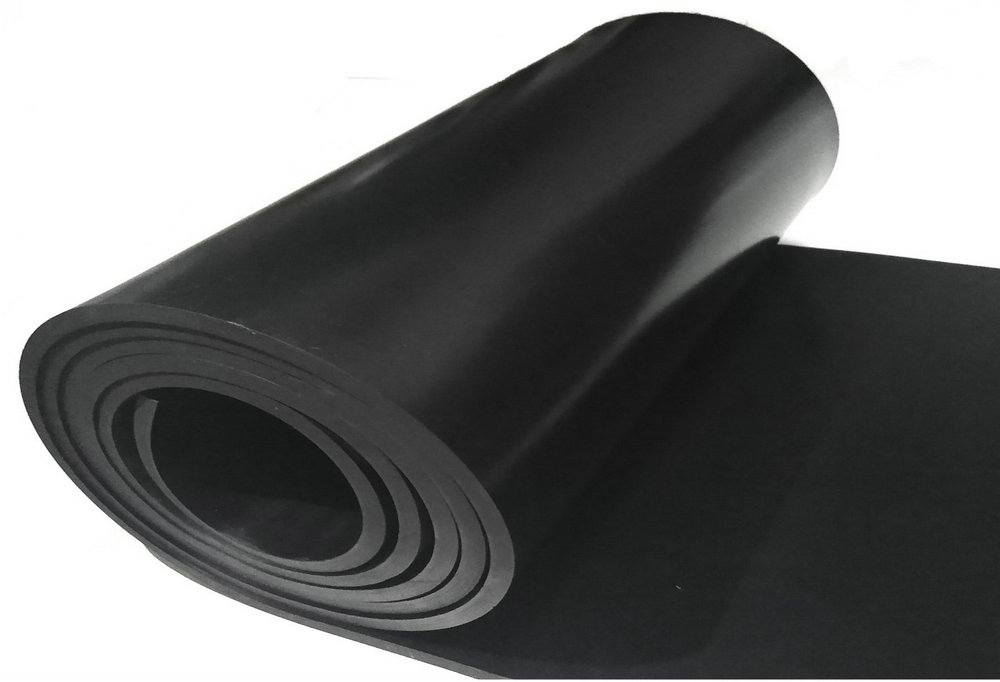
Technical Parameters:
The following table summarizes the typical technical specifications for NBR rubber sheets:
Property | Typical Value/Range | Description |
Density | 1.0 - 1.5 g/cm³ | Moderate density, varies by grade. |
Tensile Strength | 8 - 25 MPa | Good resistance to stretching and tearing. |
Elongation at Break | 200 - 600% | Maintains flexibility under tension. |
Hardness (Shore A) | 40 - 80 | Available in soft, medium, and hard grades. |
Temperature Range | -40°C to 120°C | Performs well in a wide range of temperatures. |
Oil Resistance | Excellent | Best among synthetic rubbers. |
Abrasion Resistance | High | Ideal for applications with surface friction. |
Compression Set | 20 - 40% | Good recovery after compression. |
Weather & Ozone Resistance | Moderate | Can degrade under prolonged UV exposure. |
Product Benefits:
Exceptional Oil and Fuel Resistance – Best choice for applications requiring oil, fuel, and chemical resistance. Outperforms SBR, EPDM, and natural rubber in hydrocarbon environments.
Durability and Strength – Withstands mechanical stress, compression, and impact, making it suitable for high-pressure environments.
Temperature Stability – Works effectively in low and high-temperature environments, ensuring long-term performance.
Cost-Effective – Provides superior oil resistance at a reasonable price, making it a preferred choice in industrial applications. More affordable than FKM or silicone for oil-resistant applications.
Customizable – Available in different hardness levels, thicknesses, colors, surface textures, and reinforced versions to meet various industrial needs.
Water & Gas Resistance – Excellent sealing properties in hydraulic systems, gaskets, and oil seals.
Easy Fabrication: Can be die-cut, punched, or molded into complex shapes.
Applications:
NBR rubber sheets are widely used in industries such as automotive, petroleum, manufacturing, aerospace, and chemical processing:
Automotive Industry: Used for fuel hoses, gaskets, oil seals, O-rings, and engine mounts.
Oil & Gas Industry: Seals, gaskets, and hoses in oil refineries, fuel storage tanks, and chemical plants.
Industrial Machinery: Oil-resistant gaskets, conveyor belts, and vibration-damping pads.
Aerospace Industry: Fuel system seals, tank linings, and hoses for aircraft and spacecraft.
Food Processing: FDA-grade NBR rubber is used in food-grade sealing applications.
Medical Industry: NBR gloves, seals, and tubing used in medical equipment and laboratories.
Storage & Handling:
To ensure the optimal performance of NBR rubber sheets, follow these storage guidelines:
Store in a dry, cool place, away from direct sunlight and excessive heat.
Avoid exposure to ozone, UV light, and strong oxidizing agents.
Keep away from open flames and solvents, as these can degrade the rubber.
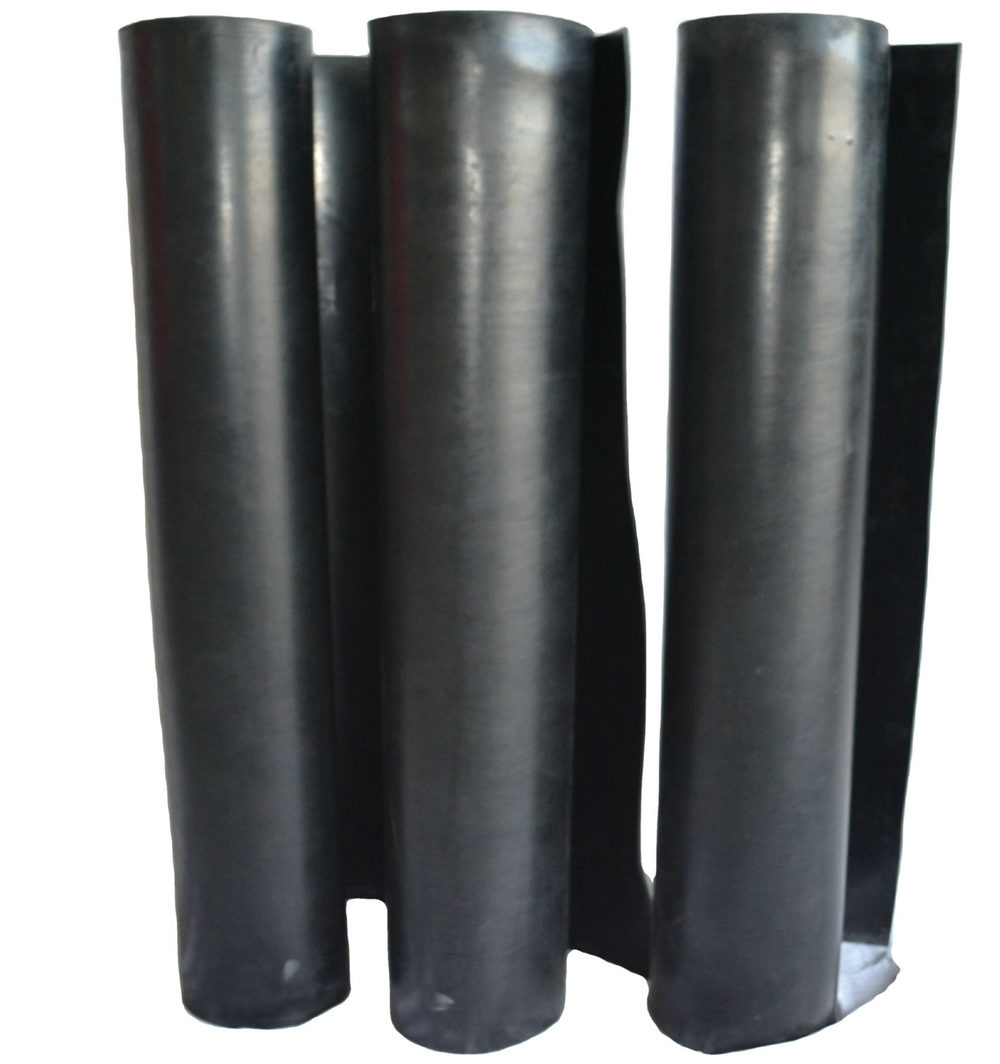
Store flat or in rolls to prevent deformation over time.
Shelf life: Properly stored NBR rubber sheets can last 5-10 years without significant degradation.
FAQ
Q1: What makes NBR rubber different from other synthetic rubbers?
A: NBR rubber is unique for its excellent oil and fuel resistance, making it ideal for petroleum-related applications.
Q2: Can NBR rubber be used outdoors?
A: While NBR is durable, it has moderate UV and ozone resistance. For outdoor applications, NBR-PVC blends or EPDM rubber are recommended.
Q3: How do I cut and shape NBR rubber sheets?
A: NBR sheets can be cut using CNC machines, utility knives, or water jet cutting, depending on thickness and precision needs.
Q4: Can NBR sheets withstand high temperatures?
A: Limited to 120°C continuous use. For higher temps, consider FKM or silicone.
Q5: How does NBR compare to Viton® (FKM)?
A: NBR is cheaper with good oil resistance; FKM offers superior chemical/temperature resistance but costs 5–10x more.
Q6: Can NBR be glued or bonded?
A: Yes—use cyanoacrylate or epoxy adhesives after surface cleaning with solvent (e.g., MEK).
Q7: What thicknesses of NBR Rubber Sheets are available?
A: 1mm to 50mm; standard sheets are 1/16" (1.5mm), 1/8" (3mm), and 1/4" (6mm).
Q8: How to clean NBR sheets?
A: Use mild soap and water. Avoid ketones, esters, or chlorinated solvents.
- PRE: 00100 SBR Rubber Sheets
- NEXT: 00500 EPDM Rubber Sheets