






Details
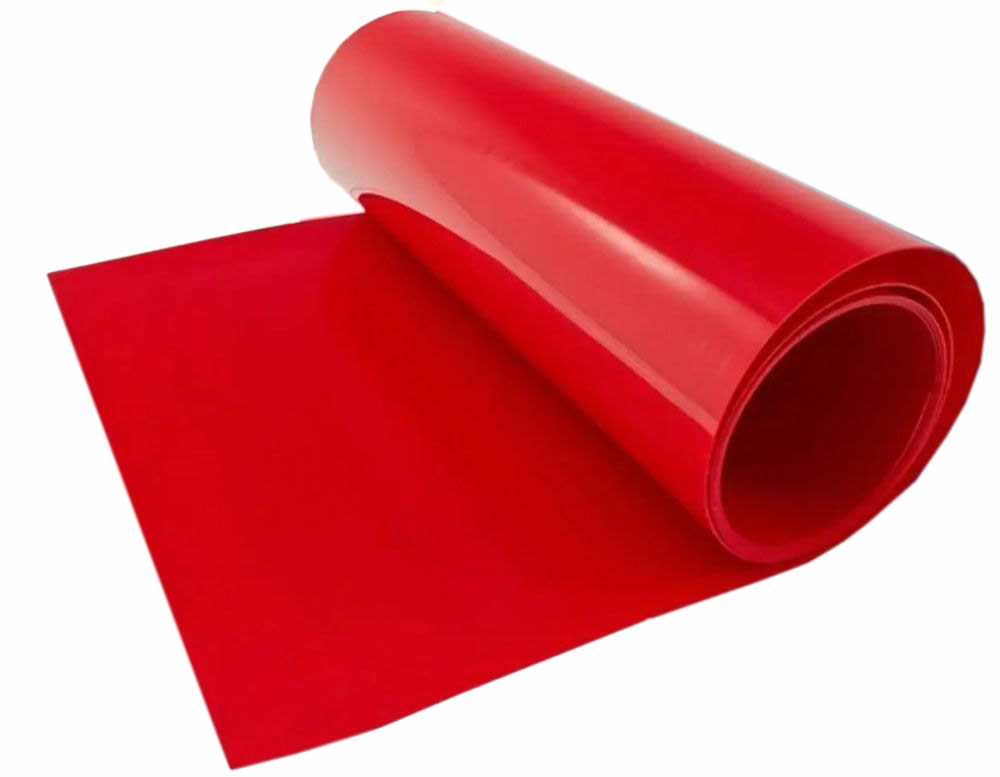
SILICONE RUBBER SHEETS
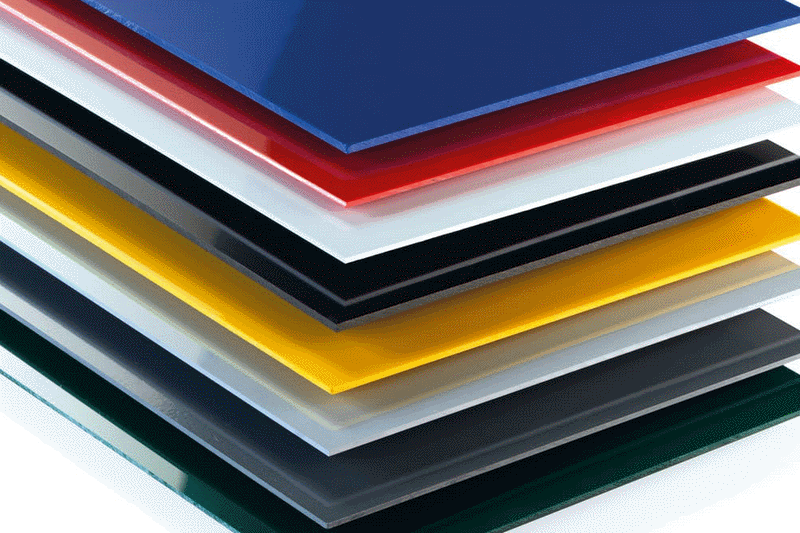
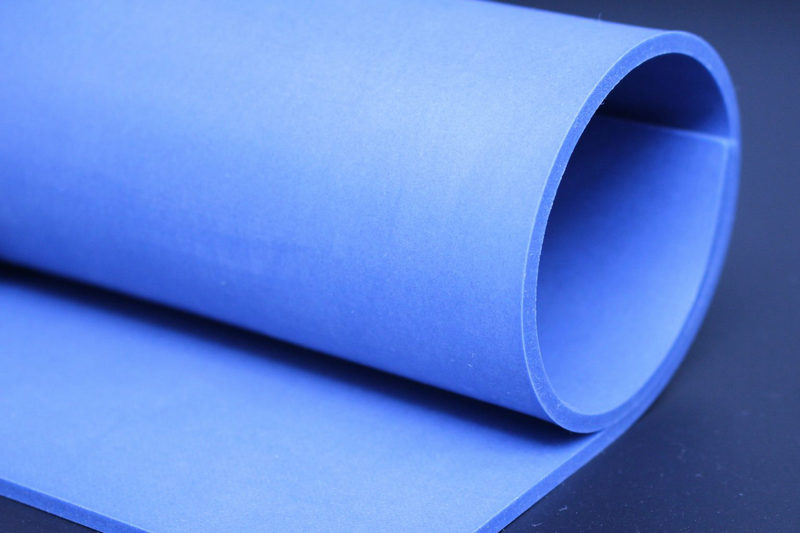
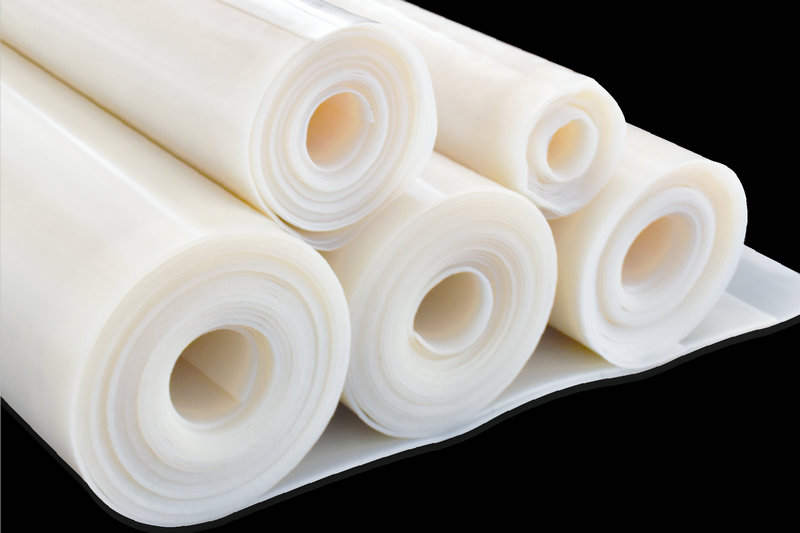
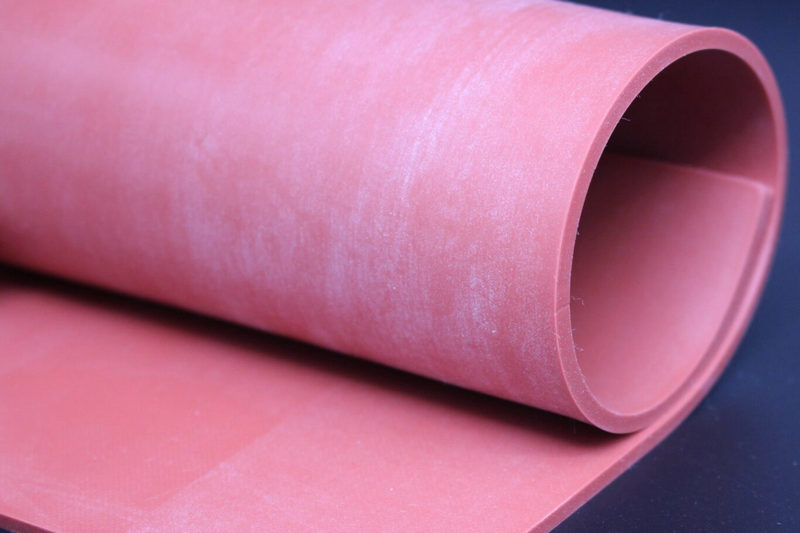
Silicone Rubber Sheets are made from silicone elastomers, which are synthetic polymers made of silicon, oxygen, carbon, and hydrogen. These sheets exhibit a unique set of properties, including high-temperature resistance, flexibility, and durability, making them ideal for use in demanding environments. Silicone rubber is often preferred in medical, food, automotive, and industrial applications due to its non-toxic, biocompatible, and weather-resistant characteristics.
Silicone rubber sheets are widely used for gaskets, seals, and insulation because of their resilience to extreme temperatures and chemical stability. They are available in various grades, hardness levels, and thicknesses to suit specific needs.
Key Features:
High-Temperature Resistance – Can withstand temperatures from -60°C to 230°C, with short-term exposure up to 300°C.
Non-Toxic & FDA Approved – Ideal for food and medical applications due to its biocompatibility and non-reactive properties.
Excellent Weather & Ozone Resistance – Ideal for outdoor use where exposure to UV rays, ozone, and extreme weather is common.
Electrical Insulation – Provides excellent dielectric properties and is commonly used for electrical insulation.
Flexibility & Compression Set Resistance – Maintains flexibility even at low temperatures and recovers well after compression.
Chemical Resistance – Resistant to many chemicals, including water, oils, and certain solvents (not recommended for petroleum-based oils or fuels).
Non-Stick Surface – Naturally non-stick, making it easy to clean and resistant to staining.
Durable & Long-Lasting – Resistant to aging, wear, and tear, leading to a longer service life in demanding applications.
Recyclable & Environmentally Friendly – Silicone rubber is environmentally friendly and can be recycled in some cases.

Types:
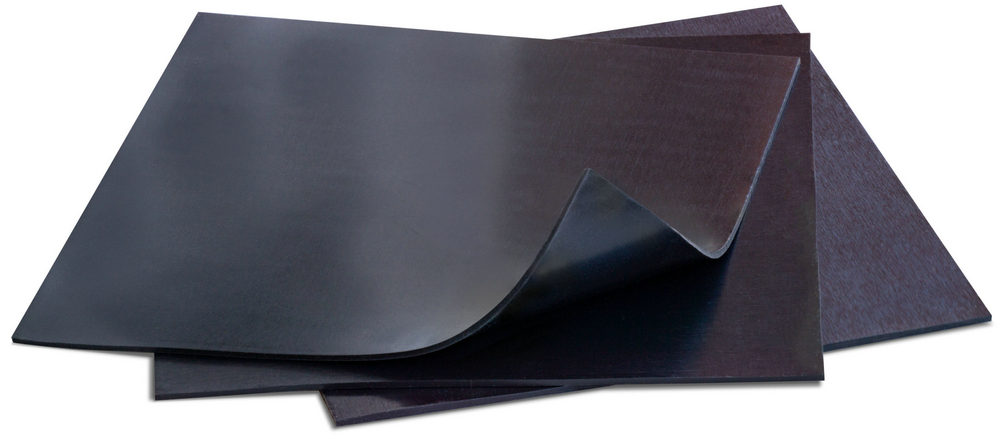
Silicone rubber sheets come in various formulations depending on the specific application requirements. These include:
(1) Standard Silicone Rubber Sheets
Description: General-purpose silicone sheets with standard temperature resistance and flexibility.
Properties: Offers good durability, weather resistance, and chemical stability.
Applications: Used for gaskets, seals, insulation, and protective covers.
(2) Food-Grade Silicone Rubber Sheets
Description: FDA-approved silicone rubber suitable for food contact applications.
Properties: Made with non-toxic, odorless, and non-reactive materials that meet food safety standards.
Applications: Used in food processing, baking mats, food containers, and medical devices.
(3) High-Temperature Silicone Rubber Sheets
Description: Designed to withstand extremely high temperatures without degrading.
Properties: Capable of enduring temperatures up to 300°C for short periods, and 230°C continuously.
Applications: Used in automotive applications, gaskets, thermal insulation, and engine seals.
(4) Electrically Insulating Silicone Rubber Sheets
Description: Specifically designed for electrical applications with excellent dielectric properties.
Properties: Offers high dielectric strength and can insulate against high voltages.
Applications: Used in electrical cable jackets, transformer insulation, and electronic devices.
(5) Medical-Grade Silicone Rubber Sheets
Description: Silicone rubber sheets formulated to meet strict medical standards.
Properties: Non-toxic, biocompatible, and easy to sterilize, suitable for use in medical devices.
Applications: Used in surgical drapes, catheters, prosthetics, and medical seals.
(6) Silicone Foam Sheets
Description: Silicone sheets in the form of foam, providing flexibility and compressibility.
Properties: Lightweight, shock-absorbent, and highly compressible while maintaining excellent thermal insulation properties.
Applications: Used in seals, gaskets, and insulating pads in electrical and mechanical equipment.
(7) Silicone Rubber Sheets with Additives
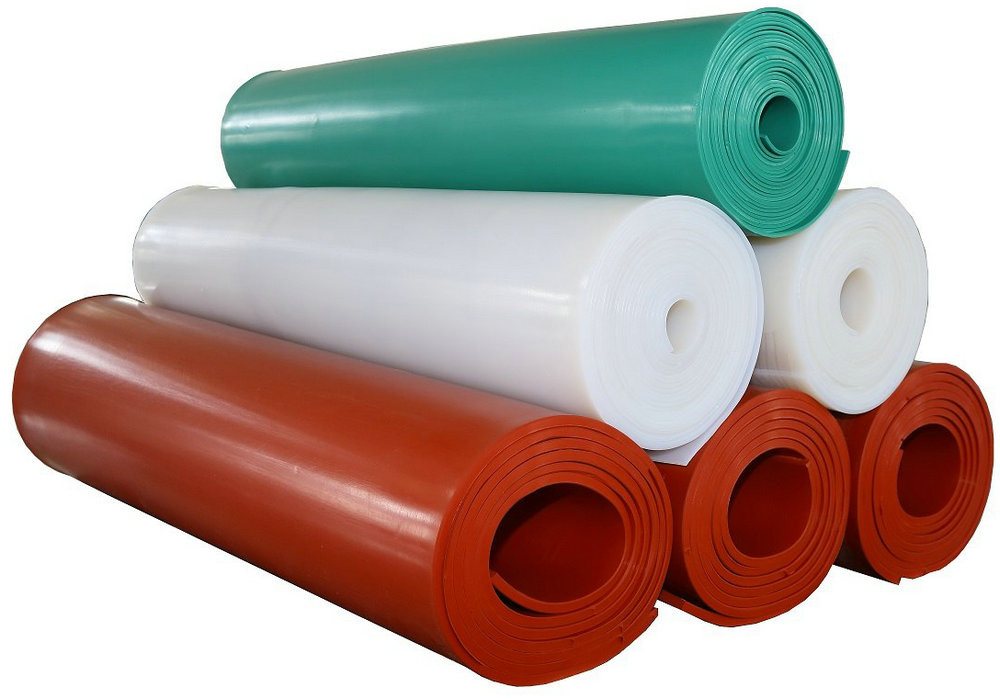
Description: Silicone rubber sheets modified with additives like colorants, flame retardants, or reinforcements.
Properties: Customized for specific requirements such as improved fire resistance, extra strength, or specific color coding.
Applications: Used in high-performance applications requiring additional properties like flame resistance or color differentiation.
Technical Parameters:
The following table summarizes typical technical specifications for Silicone rubber sheets:
Property | Typical Value/Range | Description |
Density | ~1.2 g/cm³ | Lightweight yet strong material. |
Tensile Strength | ~7 – 11 MPa | Good resistance to stretching and breaking. |
Elongation at Break | ~200% – 400% | Excellent flexibility under tension. |
Hardness (Shore A) | ~40 – 80 | Available in a wide range of hardness. |
Temperature Range | -60°C to +230°C (continuous) | Excellent temperature resistance. |
Compression Set | ~20% – 30% | Good resistance to permanent deformation. |
Abrasion Resistance | Moderate | Suitable for light to moderate abrasion. |
Ozone Resistance | Excellent | Can withstand prolonged exposure to ozone. |
UV Resistance | Excellent | Does not degrade under UV light. |
Water Absorption | Low (<1%) | Maintains dimensional stability. |
Product Benefits:
High-Temperature Resistance – Capable of withstanding extreme temperatures, from -60°C to +230°C, making it ideal for high-temperature seals and gaskets.
Non-Toxic & Biocompatible – Suitable for food, medical, and pharmaceutical applications.
Weather & Ozone Resistance – Performs well in outdoor environments and does not degrade under prolonged exposure to UV rays and ozone.
Electrical Insulation – Excellent dielectric properties, making it ideal for electrical insulation.
Long Service Life – Durable, flexible, and resistant to wear and aging, offering long-term performance.
Easy to Fabricate – Easily machinable, cut, and molded to fit specific application needs.
Non-Stick & Easy to Clean – Does not absorb dirt and is resistant to staining, making it low maintenance.
Customizable: Available in custom colors, thicknesses (0.5–50mm), and adhesives (self-adhesive options).
Easy Sterilization: Autoclavable, gamma-ray, and ethylene oxide compatible.
Applications:
Silicone rubber sheets are used across various industries due to their high performance, durability, and versatility:
Automotive Industry
Seals and gaskets in engines, radiators, and HVAC systems.
Electrical insulation for wires and cables.
O-rings and vibration dampers for automobile components.
Medical & Healthcare
Surgical drapes, catheters, wound care, and prosthetic devices.
Medical seals and gaskets for pharmaceutical equipment.
Food-grade silicone products like baking mats and molded parts.
Food Processing & Beverage
FDA-approved silicone seals and gaskets for food and beverage machinery.
Baking mats, cooking utensils, and food contact surfaces.
Construction & Roofing
Weatherproof seals for windows, doors, and roofing systems.
Expansion joints and vibration isolation.
Sealing and insulation for pipes and ducts.
Electrical & Electronics
Cable insulation, electrical connectors, and insulating pads.
Keypads, gaskets, and sealants for electronic enclosures.
Aerospace & Aviation
Sealing applications in aircraft windows, doors, and engines.
Thermal and electrical insulation for aerospace components.
Consumer Goods
Silicone mats, oven gloves, and baby products like bottle nipples and pacifiers.
Storage & Handling:
To maintain the quality and performance of silicone rubber sheets, follow these storage and handling recommendations:
Store in a Cool, Dry Place – Avoid exposure to extreme temperatures, moisture, and direct sunlight.
Keep Away from Chemicals – Store away from solvents, oils, or petroleum-based products that could damage the rubber.
Keep Covered – Use protective covers or sealed packaging to avoid dust, dirt, or contamination.
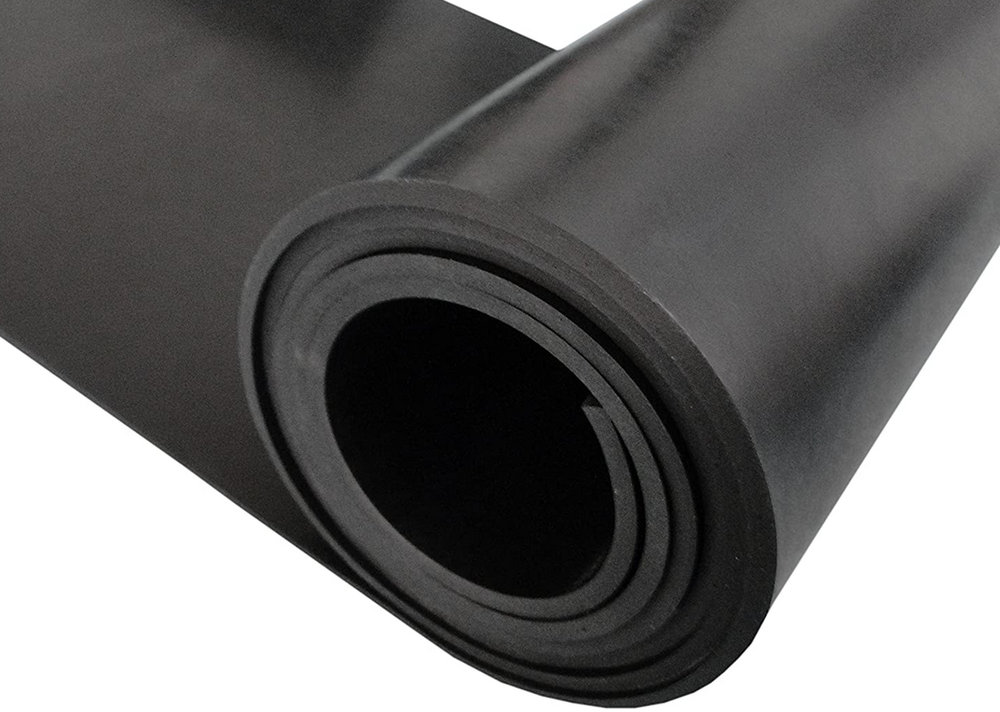
Avoid Heavy Stacking – Prevent deformation by storing sheets flat or in rolls.
FAQ
Q1: What makes silicone rubber different from other rubbers?
A: Silicone rubber has superior temperature resistance, weather and ozone resistance, and is non-toxic, making it ideal for medical, food-grade, and high-temperature applications.
Q2: Can silicone rubber sheets be used outdoors?
A: Yes, silicone rubber performs excellently outdoors due to its UV stability and ozone resistance, making it ideal for sealing and insulation in outdoor environments.
Q3: How do I clean silicone rubber sheets?
A: Silicone rubber sheets are easy to clean. Simply use warm water, mild soap, and a soft cloth. Avoid using abrasive cleaners or solvents that may damage the material.
Q4: How flexible is silicone rubber?
A: Silicone rubber remains highly flexible even at low temperatures (-60°C), making it ideal for seals and gaskets in cold environments.
Q5: Can silicone sheets withstand oils and fuels?
A: No—silicone swells in hydrocarbons. Use fluorosilicone (FVMQ) or Viton® (FKM) for oil resistance.
Q6: Is silicone rubber safe for medical implants?
A: Yes—platinum-cured medical grades meet ISO 10993 and USP Class VI for biocompatibility.
Q7: Can silicone be used in microwaves or ovens?
A: Yes—FDA-compliant grades are microwave-safe and withstand oven temperatures up to 230°C.
Q8: How does silicone compare to EPDM?
A: Silicone has a higher temperature range and UV resistance but lower tensile strength.
Q9: What causes silicone to turn yellow?
A: Prolonged exposure to UV light or high heat (>200°C) may cause slight discoloration.
Q10: How do silicone rubber sheets compared to EPDM, NBR, and FKM rubber sheets?
A: Please refer to the table below:
Property | Silicone | EPDM | NBR | FKM (Viton®) |
Temp Range | -60°C to +230°C | -50°C to +150°C | -40°C to +120°C | -20°C to +200°C |
Oil Resistance | Poor | Poor | Excellent | Excellent |
Cost | High | Moderate | Moderate | Very High |
Biocompatibility | Excellent | Moderate | Poor | Poor |
Primary Use | Medical, high-temperature | Outdoor/water applications | Oil/fuel environments | Aggressive chemicals |
- PRE: 00500 EPDM Rubber Sheets
- NEXT: No more