






Details
EPDM RUBBER SHEETS
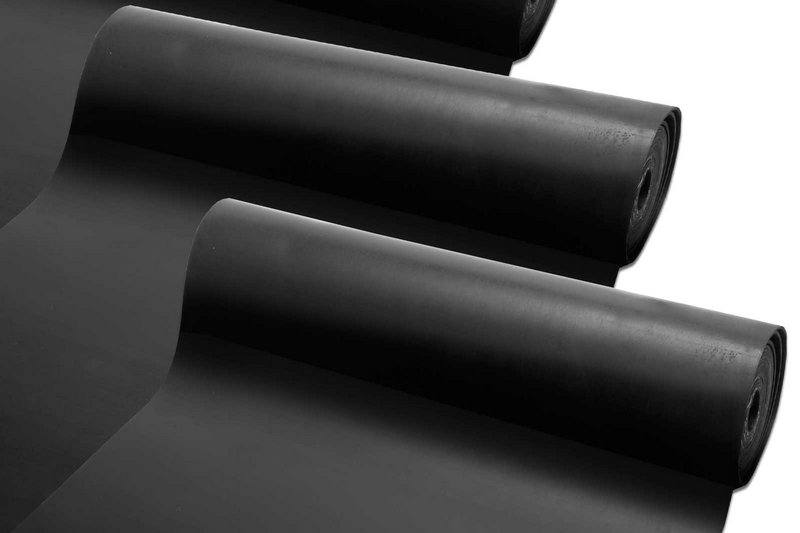
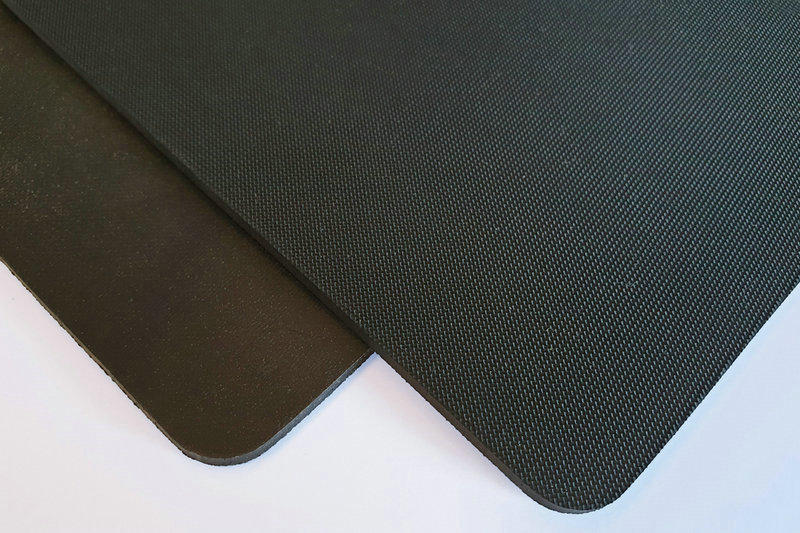
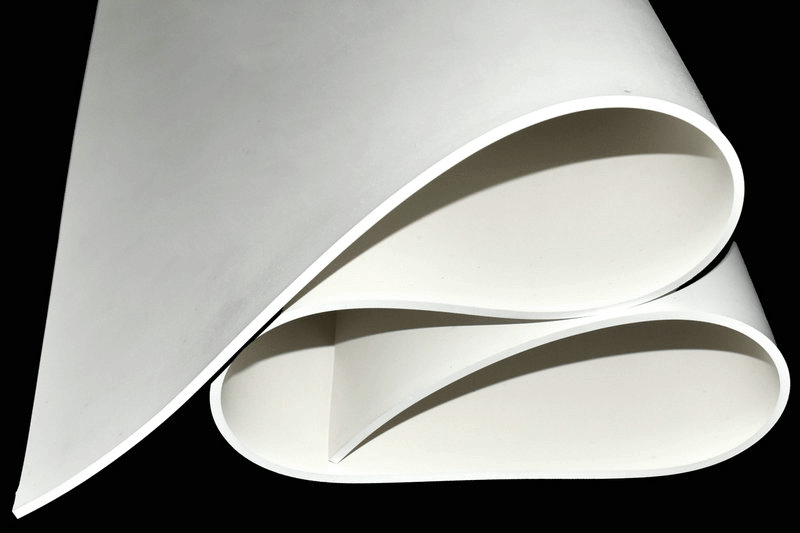
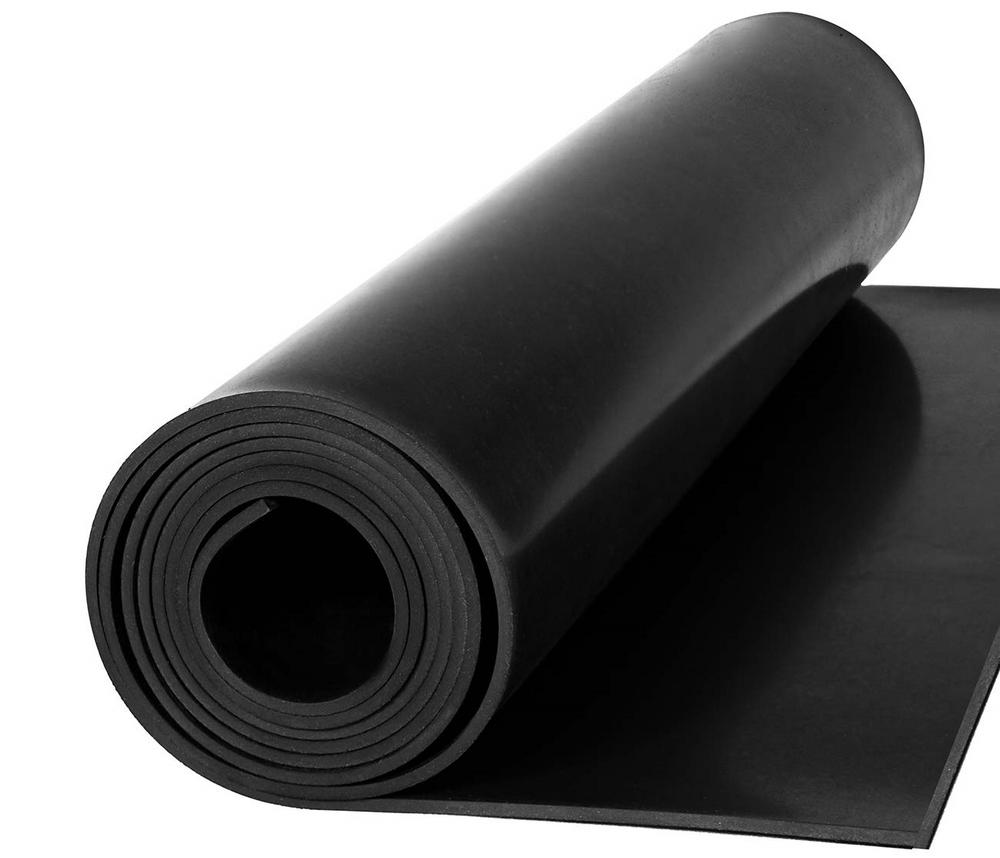
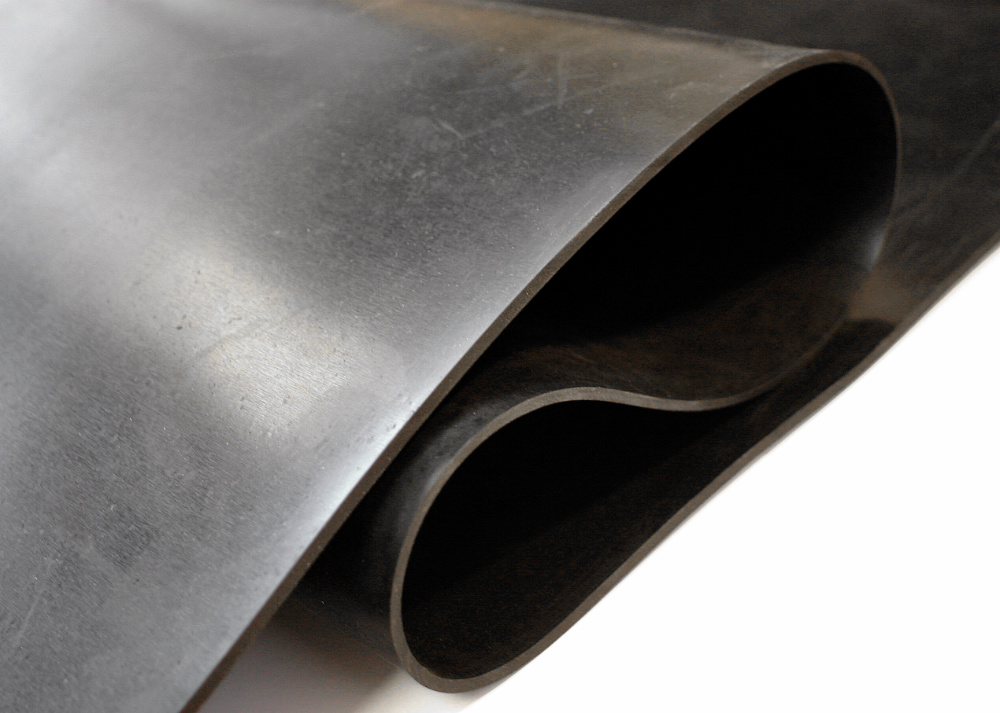
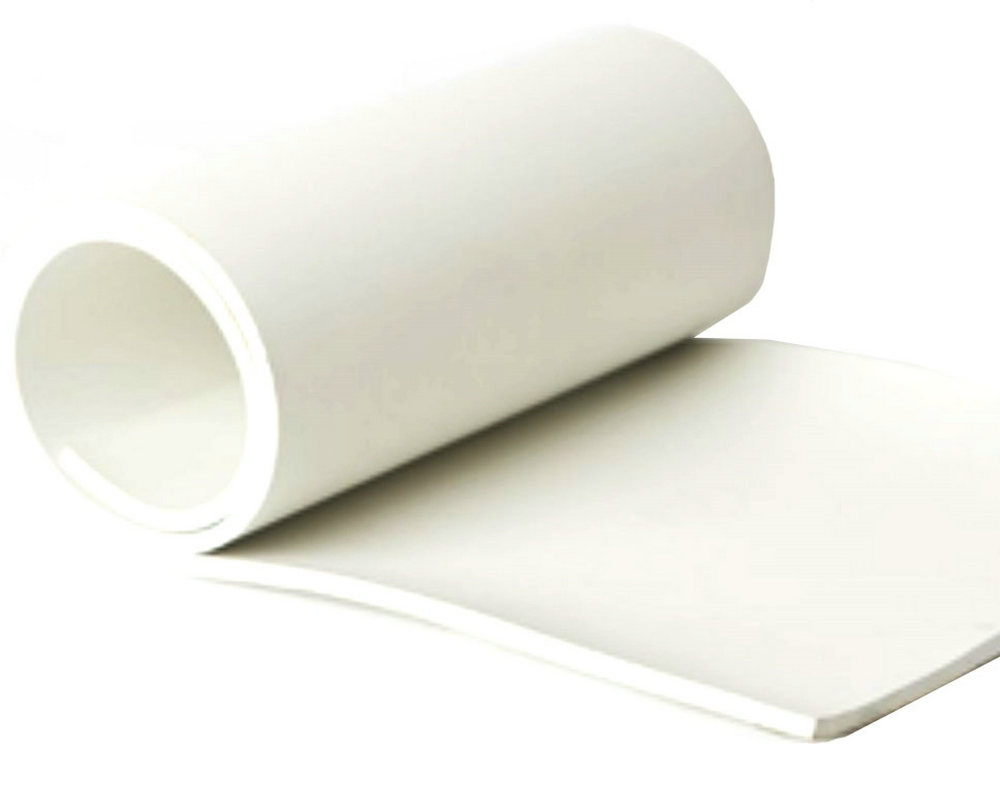
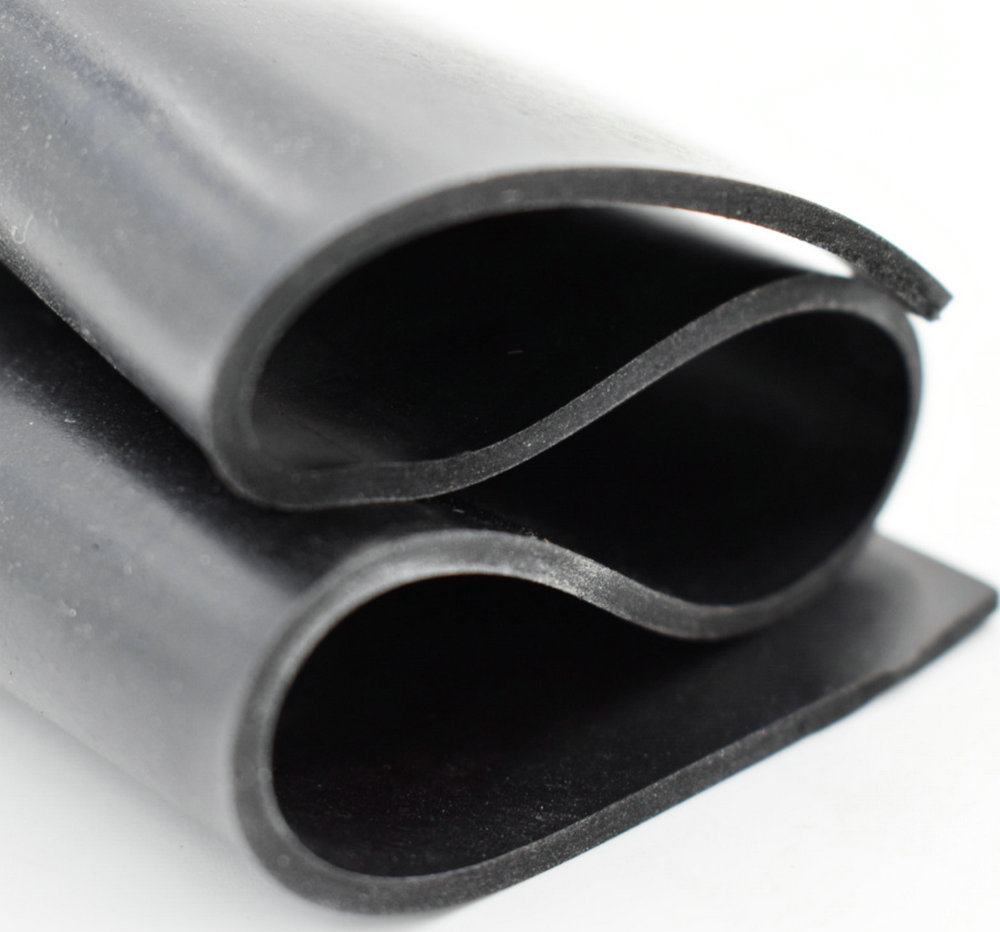
EPDM Rubber Sheets are synthetic elastomeric sheets made from a terpolymer of ethylene, propylene, and a diene monomer (typically ethylidene norbornene). This composition provides exceptional resistance to weathering, ozone, UV radiation, and temperature extremes. EPDM is widely used in outdoor and industrial applications due to its durability, flexibility, and chemical stability. It is vulcanized for enhanced mechanical properties and available in varying thicknesses, hardness levels, and colors. EPDM rubber sheets offer excellent weatherproofing, aging resistance, and flexibility, making them highly valued for sealing, insulation, and other industrial applications.
Key Features:
Excellent Weather & Ozone Resistance – Resists UV rays, ozone, and extreme weather conditions.
High Temperature Resistance – Can withstand temperatures ranging from -50°C to 150°C continuously, with short-term exposure up to +180°C.
Excellent Chemical Resistance – Resistant to water, steam, mild acids, alkalis, and polar solvents (not suitable for oils or hydrocarbons).
Good Electrical Insulation – Provides excellent dielectric properties for electrical applications.
Highly Flexible – Maintains flexibility at low temperatures, which is ideal for seals and gaskets.
Non-Toxic & FDA-Approved Grades – Certain grades are approved for food contact applications.
Environmentally Friendly – EPDM is recyclable and has a low environmental impact.
Non-Staining – Does not stain surfaces, making it ideal for use in sensitive environments like clean rooms.
Types:
There are different types and grades of EPDM rubber sheets depending on their composition and intended use:
Type | Key Characteristics | Applications |
General-Purpose EPDM | Standard grade with balanced weather and chemical resistance. | Seals, gaskets, roofing membranes. |
Heat-Resistant EPDM | Formulated for high-temperature stability (up to 150°C). | Automotive coolant hoses, radiator seals. |
FDA-Compliant EPDM | Meets FDA 21 CFR 177.2600 for indirect food contact. | Food processing equipment, conveyor belts. |
Sponge EPDM | Closed-cell foam structure for cushioning and insulation. | HVAC seals, vibration dampers, acoustic panels. |
Self-Adhesive EPDM | Pre-coated with adhesive for easy installation. | Door/window seals, DIY repairs. |
Reinforced EPDM | Fabric-embedded (polyester, aramid) for tear resistance. | Industrial hoses, expansion joints. |
Technical Parameters:
The following table summarizes typical technical specifications for EPDM rubber sheets:
Property | Typical Value/Range | Description |
Density | ~1.2 g/cm³ | Moderate density, lightweight compared to other rubbers. |
Tensile Strength | ~7 – 20 MPa | Good resistance to stretching and tearing. |
Elongation at Break | ~200% – 700% | High flexibility, elongation under tension. |
Hardness (Shore A) | ~50 – 80 | Flexible, with medium to soft hardness. |
Temperature Range | -50°C to +150°C (continuous) | Can withstand extreme cold and moderate heat. |
Compression Set | ~20% – 40% | Good recovery after compression. |
Abrasion Resistance | Good | Suitable for applications with surface friction. |
Water Absorption | Low (<1%) | Low moisture absorption ensures dimensional stability. |
Ozone Resistance | Excellent | Performs well under high levels of ozone exposure. |
UV Resistance | Excellent | Resists degradation and cracking due to UV exposure. |
Product Benefits:
Excellent Weather & Ozone Resistance – Ideal for outdoor and weather-exposed applications.
High Temperature Resistance – Can endure extreme temperatures without degrading.
Good Mechanical Strength – Performs well in high-stress environments with impact resistance.
Durable and Long-Lasting – Withstands long-term exposure to UV and ozone without significant wear or degradation.
Cost-Effective – Offers high-performance properties at a competitive price. Cheaper than silicone or fluorocarbon rubbers.
Non-Toxic & Safe for Food Contact – Suitable for food processing and medical applications.
Versatile Applications – Widely used in roofing, seals, gaskets, and electrical insulation.
Long Lifespan: 20+ years outdoors without degradation.
Eco-Friendly: Recyclable and free of halogens/chlorine.
Easy Fabrication: Can be die-cut, molded, or bonded with adhesives.
Applications:
EPDM rubber sheets are used across many industries due to their versatility, durability, and high-performance properties:
Automotive Industry
Seals, gaskets, and weatherstrips for vehicle doors, windows, and trunks.
Radiator hoses and belts.
Construction & Roofing
Roofing membranes, flashings, and expansion joints.
Seals for windows and doors in buildings.
Electrical & Electronics
Cable jackets, insulation, and gaskets.
Electrical connectors and grounding pads.
Plumbing & HVAC
Seals and gaskets for piping systems.
Vibration dampening and insulation in HVAC systems.
Food & Beverage
FDA-approved EPDM sheets for food-contact applications, including gaskets, seals, and washdown areas in food processing plants.
Marine Applications
Seals, gaskets, and waterproofing materials for boats and ships exposed to saltwater environments.
Weather-resistant seals for marine windows and doors.
Storage & Handling:
To ensure optimal performance and longevity of EPDM rubber sheets, follow these storage and handling practices:
Store in a Cool, Dry, and Shaded Area – Prevent direct sunlight, heat, and moisture exposure, which could degrade the material.
Avoid Ozone Exposure – Store away from electrical equipment that may emit ozone.
Avoid Contact with Solvents – Keep EPDM sheets away from petroleum-based products and strong chemicals that could damage the rubber.
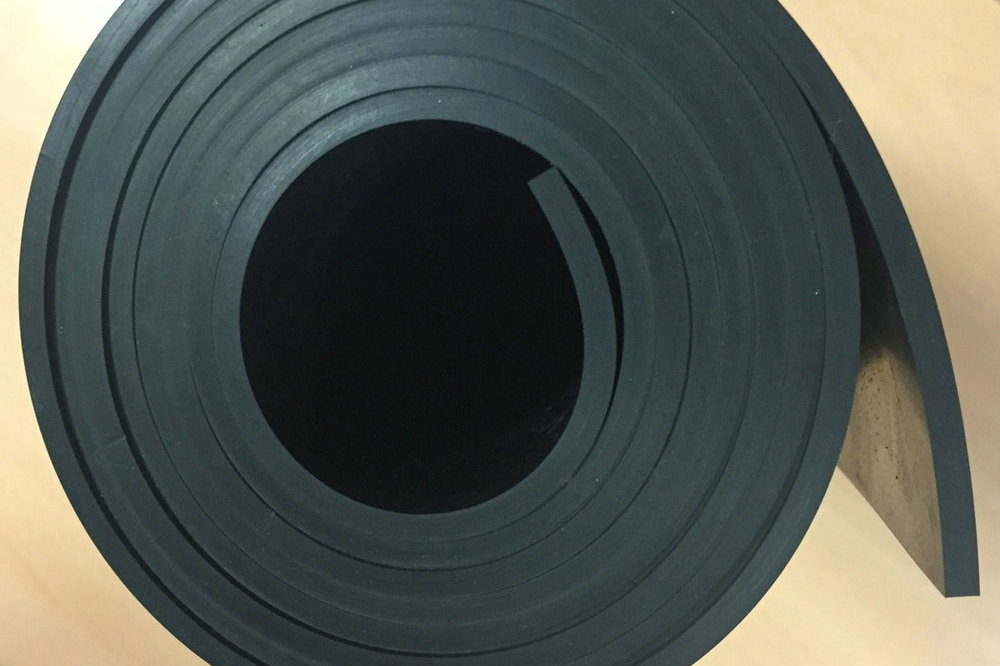
Stack Properly – Flat storage is ideal; avoid heavy objects on top to prevent deformation.
Handle Carefully – Wear protective gloves to prevent contamination of the sheets.
FAQ
Q1: What makes EPDM rubber different from other types of rubber?
A: EPDM rubber is particularly resistant to weathering, ozone, UV radiation, and high temperatures, making it ideal for outdoor and high-temperature environments.
Q2: Is EPDM rubber suitable for use in outdoor applications?
A: Yes, EPDM is highly weather-resistant and is commonly used in roofing, weather seals, and exterior seals for outdoor use.
Q3: How do I cut and fabricate EPDM rubber sheets?
A: EPDM rubber sheets can be easily cut, drilled, and shaped using standard cutting tools and machining processes.
Q4: What temperature range can EPDM rubber withstand?
A: EPDM rubber performs well within the range of -50°C to +150°C, with some special formulations capable of enduring short-term exposure to higher temperatures.
Q5: Is EPDM resistant to oils and fuels?
A: No—EPDM swells in non-polar solvents (e.g., gasoline, diesel). Use NBR or FKM for oil resistance.
Q6: Can EPDM withstand steam and hot water?
A: Yes—EPDM is ideal for steam systems and hot water applications (up to 150°C).
Q7: How does EPDM compare to silicone rubber?
A: EPDM is more cost-effective and UV-resistant but has a lower maximum temperature limit (150°C vs. 230°C for silicone).
Q8: Can EPDM sheets be glued?
A: Yes—use cyanoacrylate or specialized rubber adhesives after surface cleaning with isopropyl alcohol.
Q9: Is EPDM recyclable?
A: Yes—EPDM can be ground and reprocessed into new products.